Steep Slope Roof Lifespan: How Proper Venting Prevents Early Failure
Homeowners frequently invest heavily in premium exterior materials but often overlook the invisible airflow system required to make those materials last. At Cairns Roofing LTD, we regularly inspect relatively new roofs that are already curling, blistering, and cracking from the inside out. This premature degradation is almost always caused by a severe lack of attic ventilation and poor thermal management. Proper airflow is the absolute foundation of a healthy roof installation that reaches its maximum intended lifespan without failing early.
Without a balanced intake and exhaust system, the extreme heat trapped inside your attic literally bakes your shingles from the bottom up. Property owners in Erin often assume that adding thicker layers of insulation is the only way to manage their indoor home temperatures efficiently. In reality, failing to maintain your ridge and soffit vents creates a superheated air pocket that destroys building materials and spikes your cooling costs. Following a strict maintenance protocol ensures your roofing system breathes properly and protects your home structural framing for decades.
What You Will Learn:
- Immediate Checks After a New Roof Installation
- Common Mistakes That Ruin Roof Venting
- Ongoing Habits to Extend Your Shingle Lifespan
- How do I know if my residential roof has enough ventilation?
- Keep Your Attic Breathing All Year
Immediate Checks After a New Roof Installation
Ensuring your contractor established a perfectly balanced airflow system is the very first step in protecting your massive exterior investment. You need an equal amount of cool air entering the lower edges of the roof and hot air escaping the peak to create a passive continuous draft.
• Verify soffit clearance: Check the perforated metal panels under your eaves to ensure the intake holes are completely free of exterior paint, heavy dust, or nesting debris.
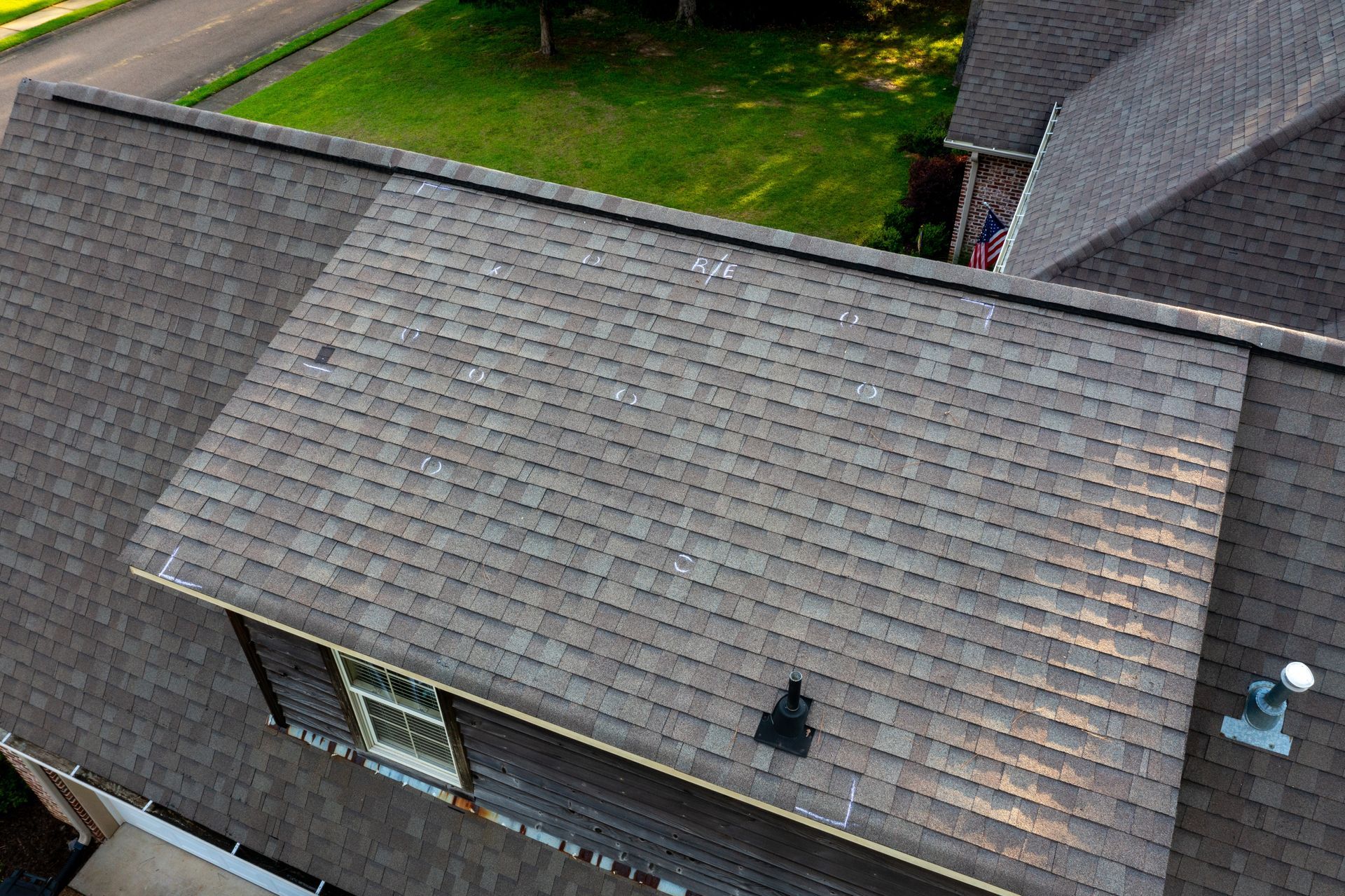
• Inspect the ridge lines: Confirm that the continuous exhaust vent at the peak of the roof is sitting flat, properly nailed down, and unobstructed by overhanging tree branches.
• Check the baffles: Ensure rigid plastic chutes were installed inside the attic directly above the exterior walls to prevent blown fiberglass insulation from clogging the lower intake areas.
Common Mistakes That Ruin Roof Venting
Many well meaning homeowners actively destroy their roof ventilation system by trying to block out cold winter drafts or cut down on heating bills. Closing off vents traps massive amounts of indoor moisture generated by daily cooking and showering directly inside the freezing attic space.
- Blocking the soffits: Stuffing fiberglass insulation batts tightly into the lower corners of the attic completely chokes off the fresh air supply and stops the necessary thermal draft.
- Mixing exhaust types: Running an active power vent fan alongside a passive ridge vent creates a dangerous vacuum that pulls rain and snow directly into the attic through the passive openings.
- Venting bathrooms upward: Discharging a bathroom exhaust fan directly into the attic space instead of routing it completely through the exterior roof deck guarantees rapid and toxic mold growth on your wood framing.
► The absolute most critical maintenance fact to remember is that an improperly vented attic will void your entire shingle manufacturer warranty immediately upon discovery.
Ongoing Habits to Extend Your Shingle Lifespan
Protecting the physical components of your ventilation system requires routine visual inspections every single season to ensure the channels remain clear. Keeping the air channels wide open prevents destructive ice dams in the winter and extreme shingle blistering during the summer sun.
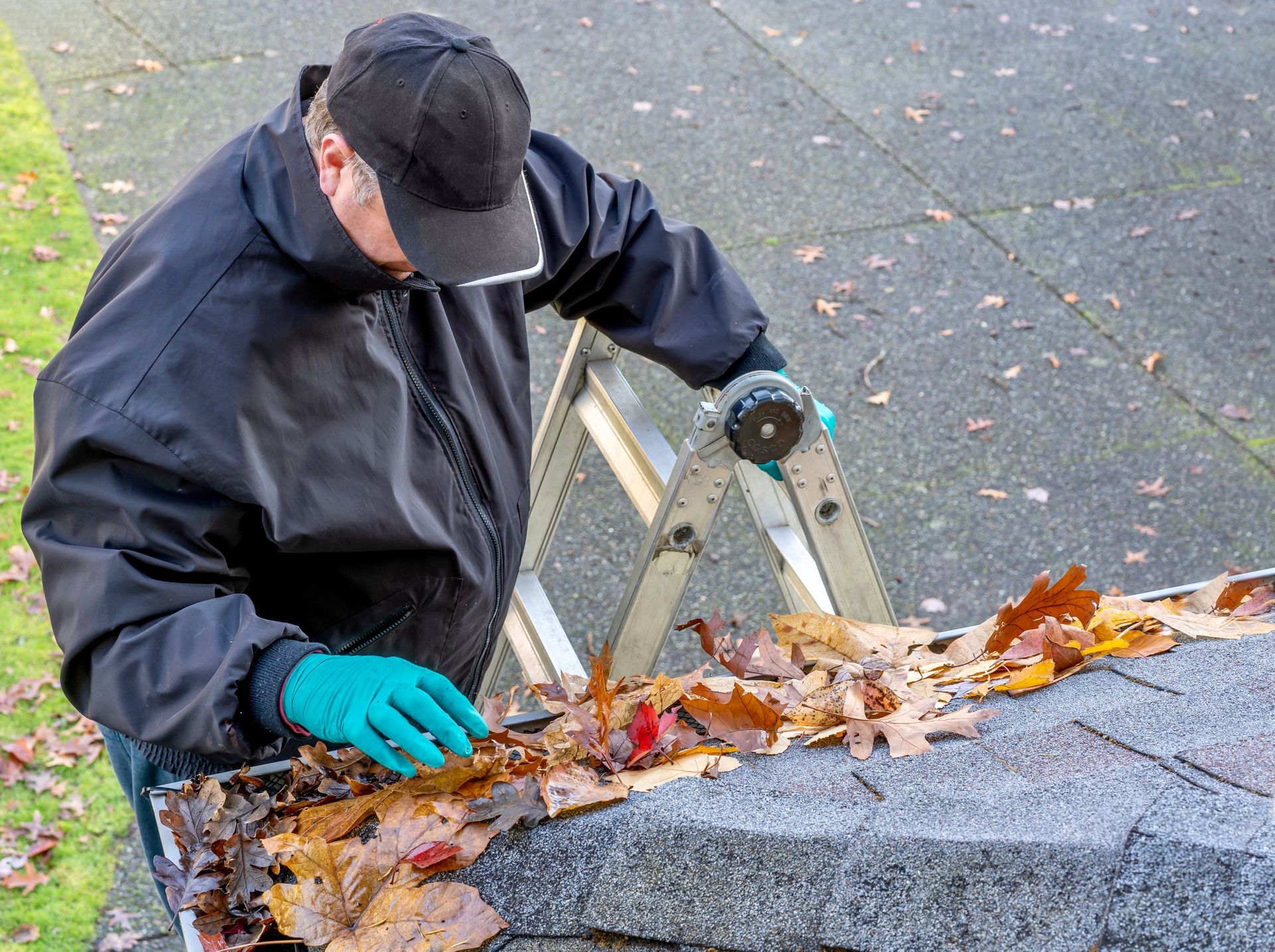
- Clear the eavestroughs: Remove all seasonal leaves and debris to ensure water does not back up, freeze, and physically block the lower intake vents along the roofline.
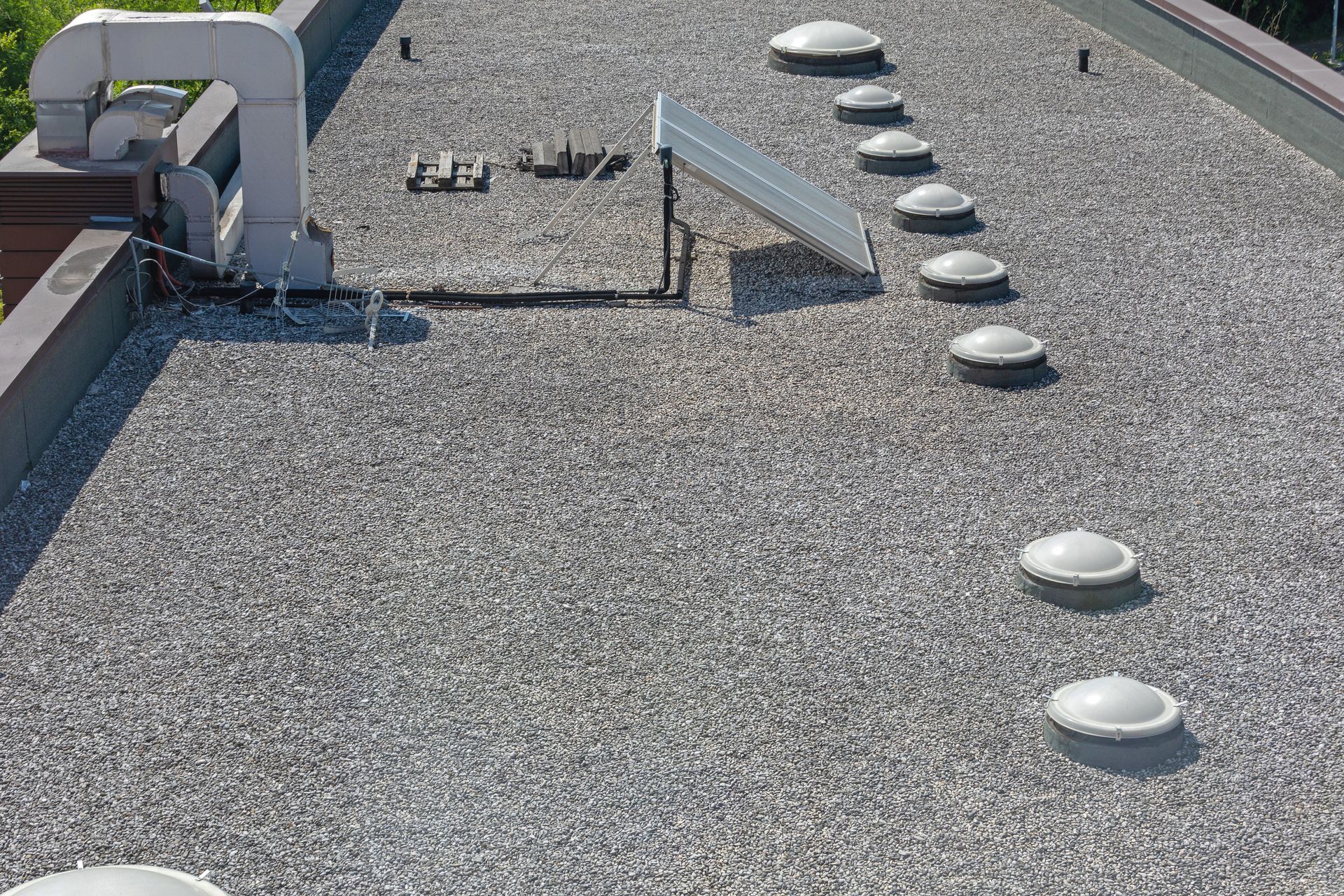
- Monitor exterior features: Check the sealant around your skylight installation to ensure the internal airflow is not restricted and causing condensation buildup on the interior glass panes.
- Watch for rust: Inspect all metal exhaust vent covers for early signs of corrosion or physical damage that could restrict the internal flapper valves from opening fully.
How do I know if my residential roof has enough ventilation?
The most obvious sign of poor ventilation is an attic space that feels like a heavy, stifling sauna during the summer months. In the winter, you will notice thick white frost coating the underside of the roofing nails protruding through the plywood deck boards. If you see premature granule loss on your exterior shingles or thick ice dams forming on your lower gutters, your airflow is severely restricted. A professional calculation based on your exact attic square footage is strictly required to balance the system and restore proper thermal movement.
Keep Your Attic Breathing All Year
Maintaining your soffit and ridge channels is the only way to get the full financial value out of your expensive roofing materials. A balanced airflow system stops hidden wood rot, prevents toxic mold from taking hold, and drastically lowers your monthly cooling bills. Reach out to our team today to have your attic ventilation professionally calculated, inspected, and optimized for long term performance.
Share This Blog