4 Early Signs Your Commercial EPDM Flat Roof Seams Are Failing
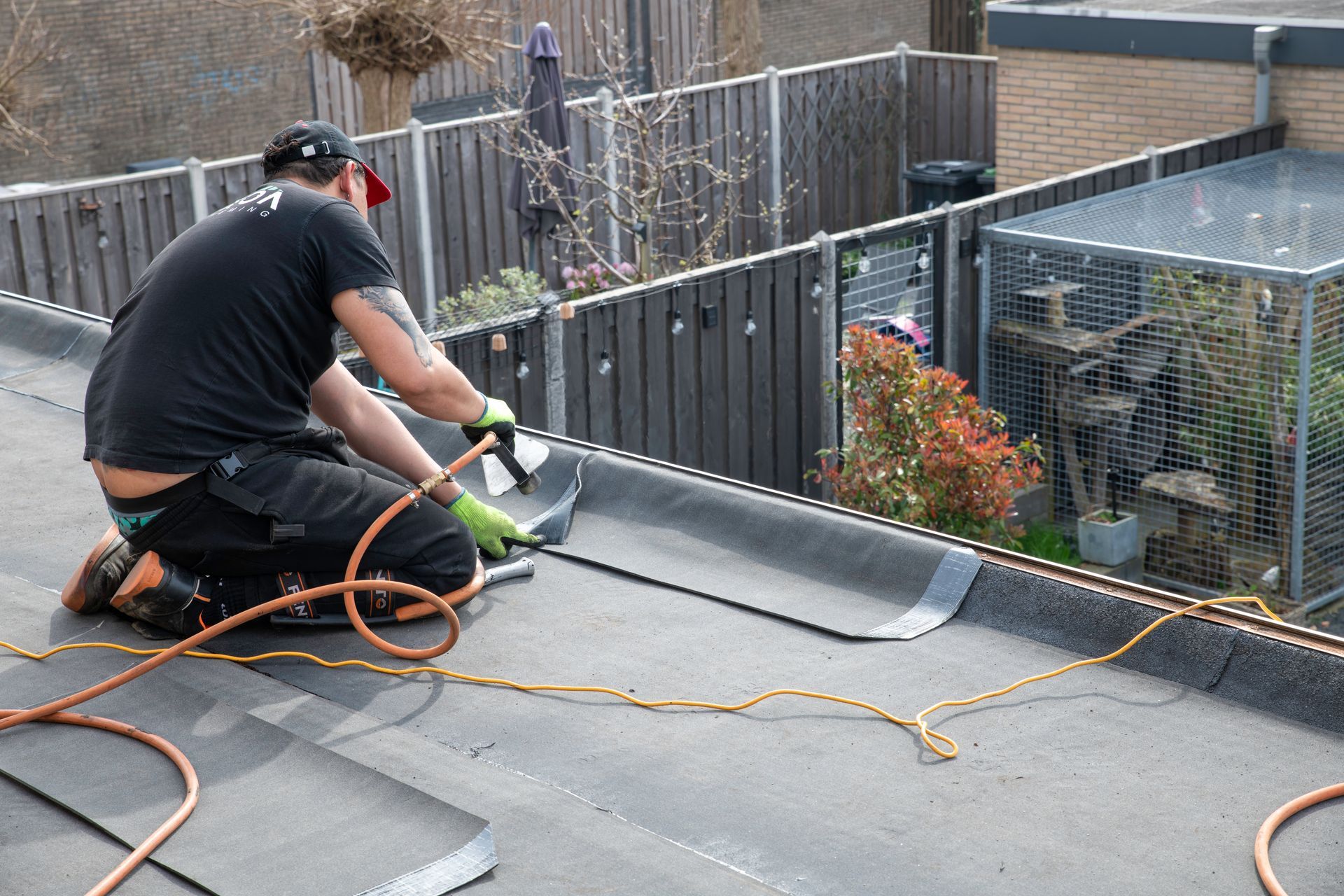
Managing a commercial property requires staying ahead of maintenance before small issues threaten your inventory. At Cairns Roofing LTD, we know that spotting early signs of wear can save business owners thousands in emergency repairs. EPDM flat roof repair is a routine necessity, but the damage often starts long before water enters the building. Knowing what to look for on your rubber roof is the key to extending its lifespan.
Rubber roof seam separation is the most common failure point we encounter on commercial buildings in Bolton. The large black membranes expand and contract significantly, putting immense stress on the adhesive laps. If you know exactly where to check, you can catch these separations early. We compiled the most critical early warning signs that indicate your seams need professional attention.
Inside This Guide:
- Tip 1: Inspect for Bridging at the Flashings
- Tip 2: Look for Adhesive Degradation Along the Laps
- Tip 3: Check for Membrane Shrinkage Near the Edges
- Tip 4: Monitor Pooling Water Near Drainage Points
- Frequently Asked Questions
Tip 1: Inspect for Bridging at the Flashings
Bridging occurs when the rubber membrane pulls away from the angle changes on your roof. This typically happens where the flat surface meets a parapet wall or an HVAC curb.
- Wall transitions: Look for areas where the rubber forms a tight trampoline effect instead of resting flat against the corner.
- Fastener failure: Check if the mechanical fasteners at the base of the wall have popped loose due to tension.
Tip 2: Look for Adhesive Degradation Along the Laps
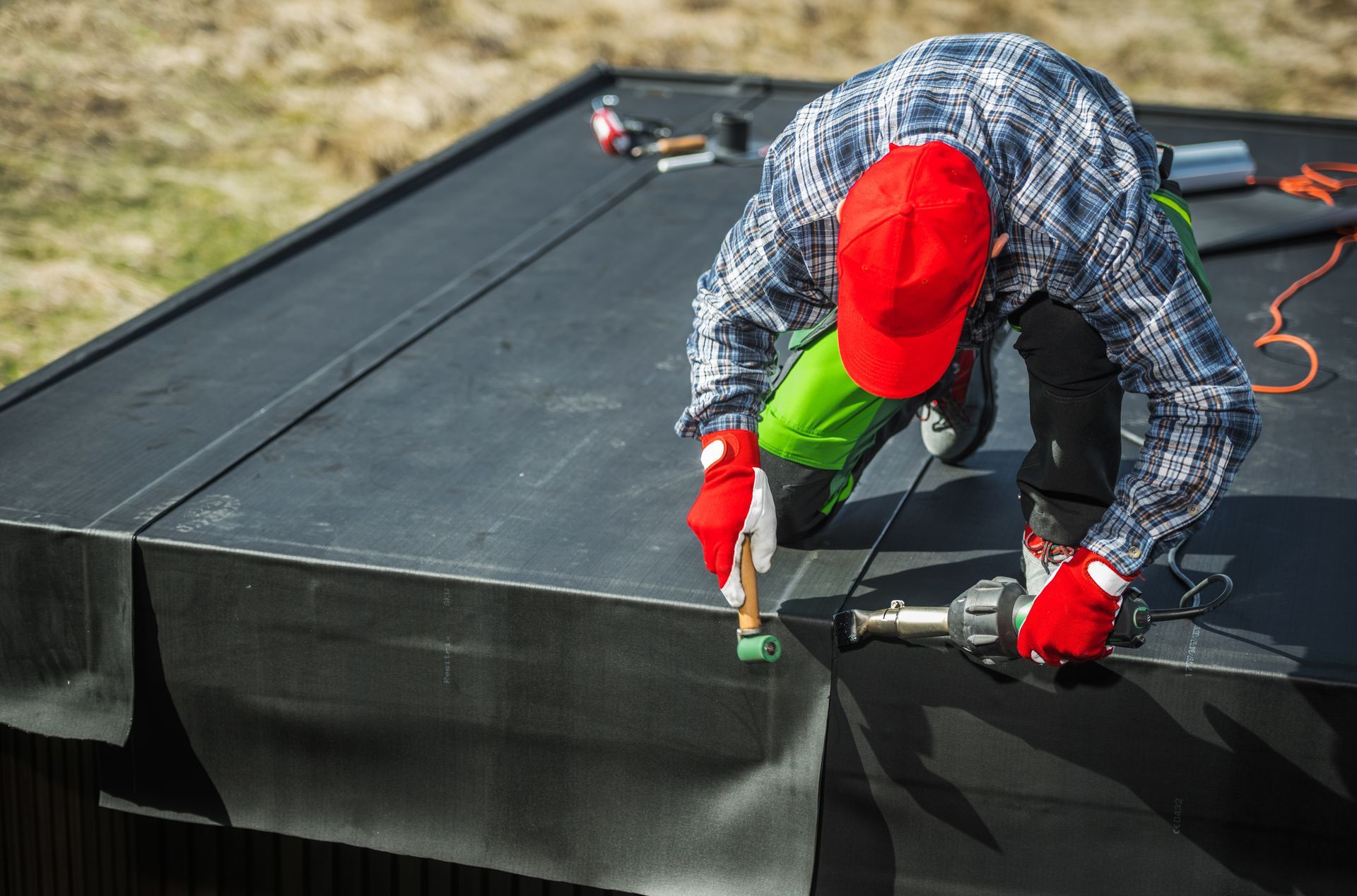
The glued seams holding two sheets of rubber together are highly susceptible to breakdown over time. Constant exposure and shifting temperatures cause the original seam tape or liquid adhesive to lose its grip.
- Fish mouths: Watch for small puckered openings along the seam edge where the top layer has warped upward.
- Exposed tape: Notice if the black seam tape is visible and feels dry or brittle to the touch.
Tip 3: Check for Membrane Shrinkage Near the Edges
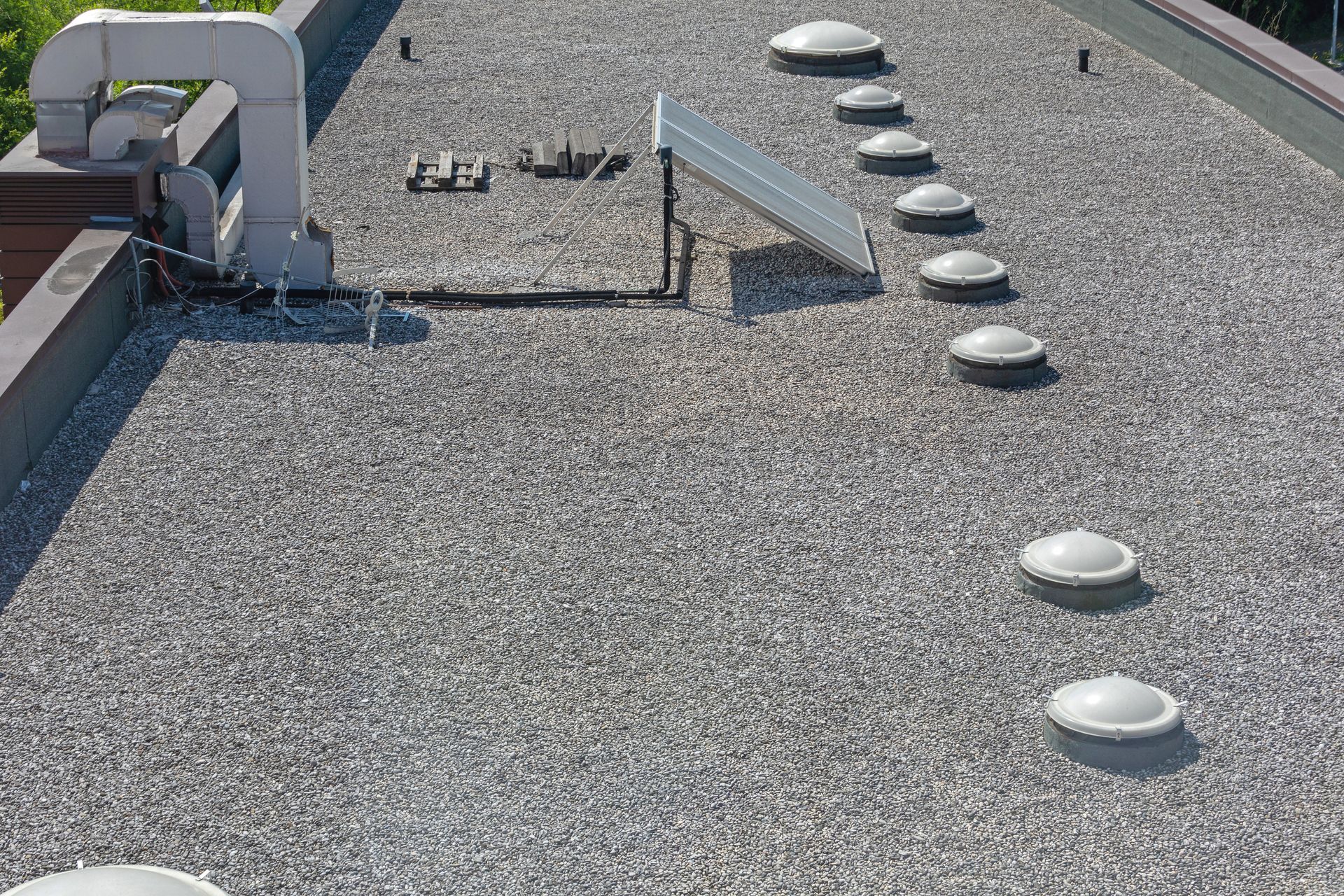
Older rubber roofs physically shrink as the plasticizers dry out of the material. This shrinkage exerts massive pulling force on the perimeter details and the main field seams, mirroring issues found in tar and gravel systems.
- Perimeter tension: Observe the metal edge details to see if the membrane is pulling the metal inward.
- Splice stress: Look for horizontal stress lines stretching across the glued joints, indicating the rubber is pulling apart.
Tip 4: Monitor Pooling Water Near Drainage Points
Seams that sit submerged in standing water will degrade much faster than sections on a slope. Ponding water acts as a magnifying glass and slowly dissolves the seam adhesives before a commercial roof inspection can catch it.
- Drain rings: Inspect the overlapping seams directly around your internal drains or scuppers for soft spots.
- Dirt rings: Check the areas where dirt and debris have settled, as the underlying seams there are highly vulnerable to rot.
Frequently Asked Questions
Why do EPDM roof seams separate over time?
The constant thermal cycling of heating up and cooling down forces the rubber to expand and contract daily. This movement slowly weakens the chemical bond of the seam tape or adhesive used during the initial installation. Eventually, the shear strength of the glue fails, allowing the layers to peel apart.
Can you patch a shrinking EPDM rubber roof?
Patching a shrinking membrane is extremely difficult because the material is actively pulling itself apart under tension. A standard patch will simply be torn away as the roof continues to shrink. In these cases, a professional diagnostic is necessary to determine if a full replacement is the safer financial option.
How much does EPDM flat roof repair cost locally?
Repair costs depend entirely on the total linear footage of the failing seams and the condition of the underlying insulation. Simple surface patches are relatively inexpensive, but replacing sections of saturated decking adds significant labor. We always provide a detailed breakdown of material and labor costs before starting any project.
Protecting Your Commercial Inventory
Catching seam separation early ensures that water stays out of your building and away from your assets. A proactive approach to commercial roofing maintenance stops minor adhesive failures from turning into massive interior leaks. Contact our office to schedule a thorough evaluation of your rubber roof seams today.
Share This Blog