Your Fall Maintenance Protocol for Commercial TPO Roofing Systems
Commercial building owners often neglect their flat roofs until a major indoor leak disrupts their daily operations. At Cairns Roofing LTD, we know that thermoplastic polyolefin membranes are highly durable against the elements. However, these systems are not entirely immune to seasonal stress and physical impact over time. Executing a strict autumn checklist keeps your facility dry and prevents highly expensive commercial roof repairs down the road.
Proactive inspections allow property managers to identify small membrane issues before heavy winter weather hits. Business owners in Orangeville often face shifting weather patterns that cause massive commercial structures to expand and contract daily. This environmental stress can expose weaknesses in your roof structure and seam integrity if regular upkeep is ignored. Following a structured maintenance protocol ensures your flat roof survives the upcoming freezing season without a catastrophic failure.
In This Article:
- Crucial Autumn Upkeep Checklist
- Common Maintenance Errors That Damage Membranes
- How do you fix a puncture in a commercial TPO roof membrane?
- Indicators That Proactive
TPO Roofing Repairs Are Required
- Protecting Your Commercial Building Investment
Crucial Autumn Upkeep Checklist
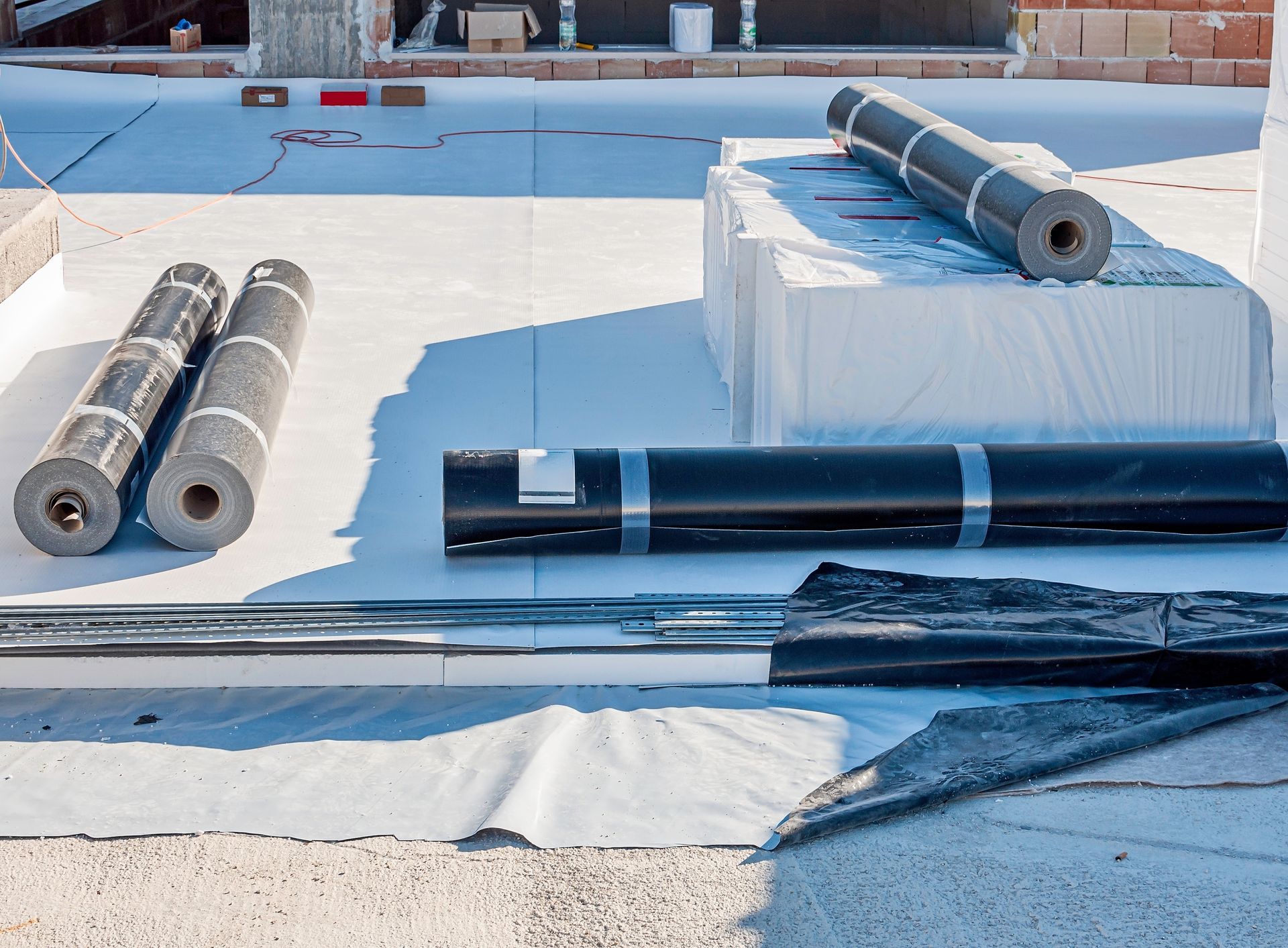
Establishing a routine maintenance cycle before freezing temperatures arrive protects the chemical bonds of your white single ply system. Clearing debris and verifying mechanical attachments prevents high winds from tearing the membrane sheets away from the structural deck.
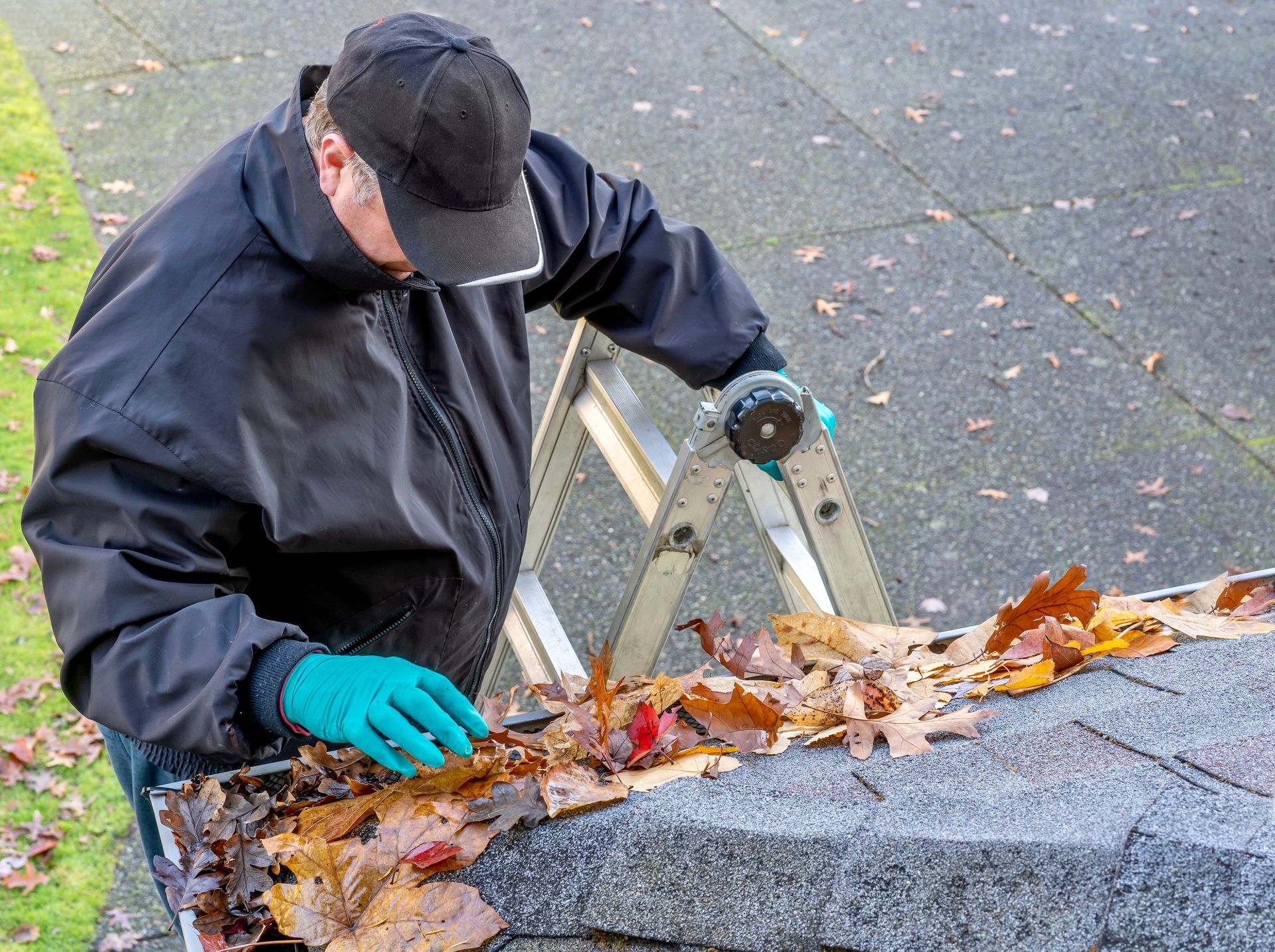
- Clear all surface debris: Remove accumulated leaves, branches, and trash from the field of the roof to prevent organic matter from holding standing water and rotting the single ply membrane.
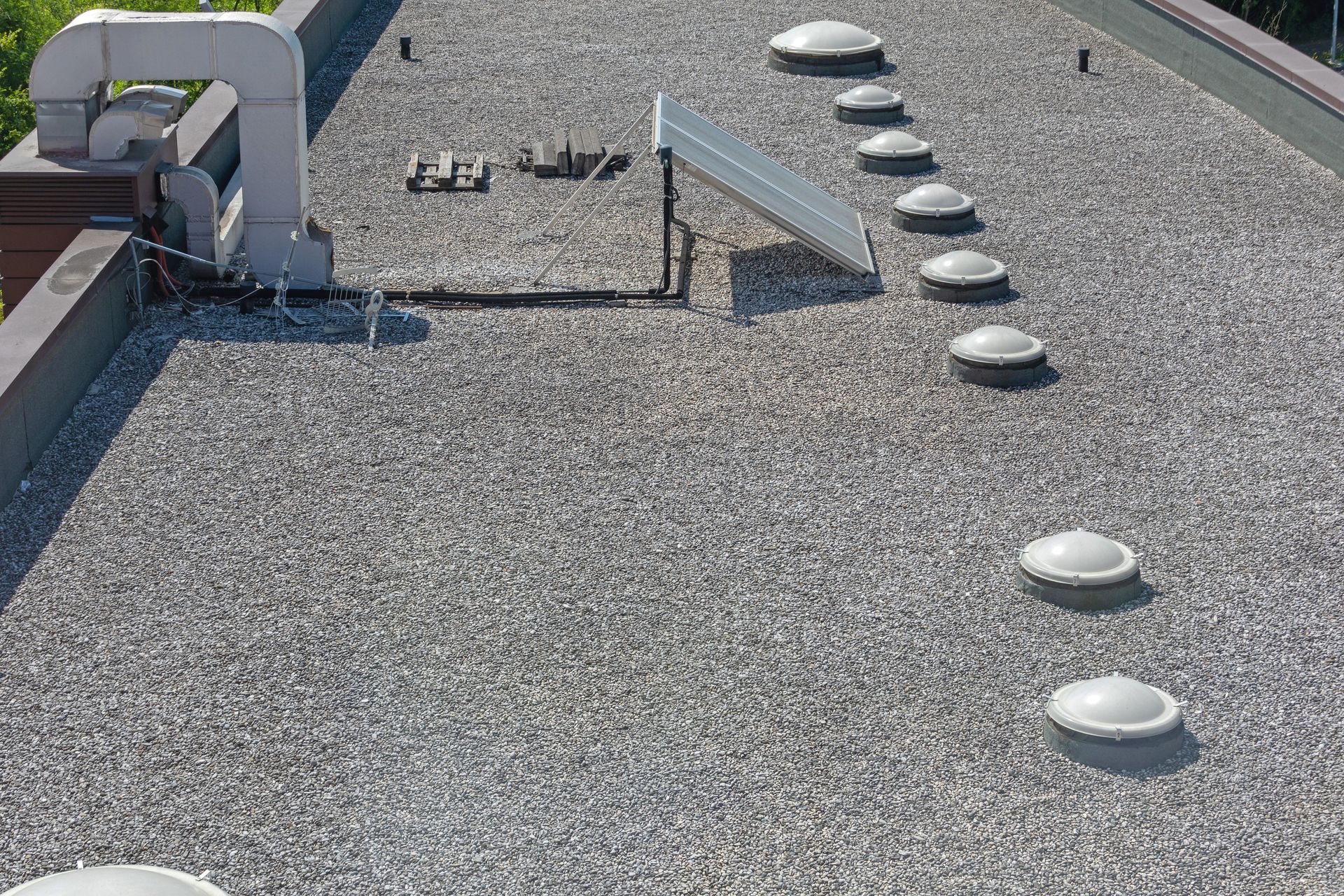
- Inspect termination bars: Check the metal termination strips along parapet walls and HVAC curbs to ensure the mechanical anchors remain secure and sealed tight against the metal.
- Evaluate perimeter flashing: Look closely at edge metals and drip components to confirm they are securely fastened against high autumn winds that can rip loose materials right off the deck.
Common Maintenance Errors That Damage Membranes
Many property managers make critical mistakes trying to maintain their commercial space without specialized trade knowledge. Using inappropriate tools or harsh retail chemicals can permanently degrade the rubberized components of the roofing membrane.
- Pressure washing shortcuts: Blasting the surface with high water pressure to clean the white sheet can easily erode the top weathered layer and split heat welded overlaps open.
- Incompatible patching materials: Applying standard asphalt plastic cement or roofing tar over a thermoplastic sheet destroys the material and prevents future thermal welding repairs.
- Neglecting foot traffic paths: Walking across a cold and brittle roof without utilizing designated protective walkway mats drastically increases the risk of hairline tears and tool punctures.
Ongoing care and swift response to minor issues are the actual hallmarks of a reliable commercial service. This is something clients notice firsthand when working with our diagnostic team.
► Client Experience: This roofing company provides quality work, competitive pricing, professional & experienced crew and the one that puts this company on a pedestal is their ongoing customer service and warranty coverage. With the horrible weather we've been experiencing I've called to Cairns roofing Manager (Sean) for minor issues, he rectifies these with no hassle. Thank you Sean and the rest of the team @ Cairns roofing! - Jonathan Cevallos
Having a responsive crew that addresses minor concerns quickly ensures small membrane tears do not become catastrophic structural failures.
How do you fix a puncture in a commercial TPO roof membrane?
Repairing a hole in a thermoplastic membrane requires a highly specific trade process called hot air hand welding. A professional must clean the area around the puncture with a specialized chemical substrate cleaner to remove embedded dirt and oxidation. Then a round patch of identical membrane material is cut to cover the area. The installer uses a handheld hot air welder to melt the face of the roof and the back of the patch simultaneously. They press them together with a silicone roller to form a permanently fused molecular bond.
► The absolute most critical maintenance fact to remember is that retail roof caulking will permanently dissolve thermoplastic polymers and completely void your commercial system warranty.
Indicators That Proactive TPO Roofing Repairs Are Required
Knowing when to call in specialized flat roof experts prevents internal ceiling damage and saturated insulation boards. Routine visual checks should focus heavily on areas where structural stress naturally accumulates.
- Separation at the laps: Watch for small pockets or fish mouths opening up where separate membrane sheets overlap and the heat weld has failed.
- Blistering or bubbling: Look for areas where air or moisture is trapped beneath the sheet, indicating the underlying insulation adhesive has lost its grip.
- Discolored attic insulation: Monitor the interior ceiling space beneath the metal roof deck for damp spots, rusting metal, or early mold growth.
Protecting Your Commercial Building Investment
Maintaining a flat roofing system requires regular vigilance and specialized commercial care. Catching small punctures or separation points early prevents standing water from destroying your structural deck. Contact our office today to secure an expert commercial inspection and keep your facility protected.
Share This Blog