Why Vinyl Decks Leak Around the Edges and How Duradek Fixes It
Property owners frequently get frustrated noticing their vinyl deck leaking around the perimeter. Water infiltration at these critical junctions can easily rot the underlying wood and damage the home exterior. At Cairns Roofing LTD, we see this exact issue regularly on older deck surfaces that were not detailed correctly at the edges. Fixing the problem requires understanding why those edges peel back in the first place.
A proper Duradek installation solves these inherent weaknesses by using specialized methods that standard products cannot match. Homeowners in Palgrave often assume a leaking deck means the entire structure is compromised. The truth is that addressing the perimeter details correctly can save the deck and restore complete waterproofing. We are here to explain why these leaks happen and how the right techniques prevent them from returning.
What We Cover:
- The Root Cause of Edge Flashing Failure
- Why DIY Sealants Make the Problem Worse
- The Professional Waterproofing Approach
- How long does a Duradek waterproof deck last in Ontario?
- Securing Your Outdoor Space
The Root Cause of Edge Flashing Failure
Standard vinyl decking typically begins to fail where the material meets the house wall or the drip edge. Installers without specific trade knowledge often use standard roofing staples or inadequate adhesives to secure these transitions. Over time, the constant expansion and contraction of the deck surface pulls at these weak anchor points. Once the vinyl separates from the edge, water easily wicks underneath the membrane and begins rotting the plywood substrate.
The structural damage caused by this slow leak is often hidden until the deck boards feel spongy underfoot. We frequently find that the initial roof installation lacked a proper metal flashing detail to terminate the vinyl. Without a mechanical termination bar or a routed edge, the membrane relies entirely on glue that will eventually dry out and fail.
→ A quick tip to remember: If you see the edges of your deck curling upward, water is already getting underneath the surface.
Why DIY Sealants Make the Problem Worse
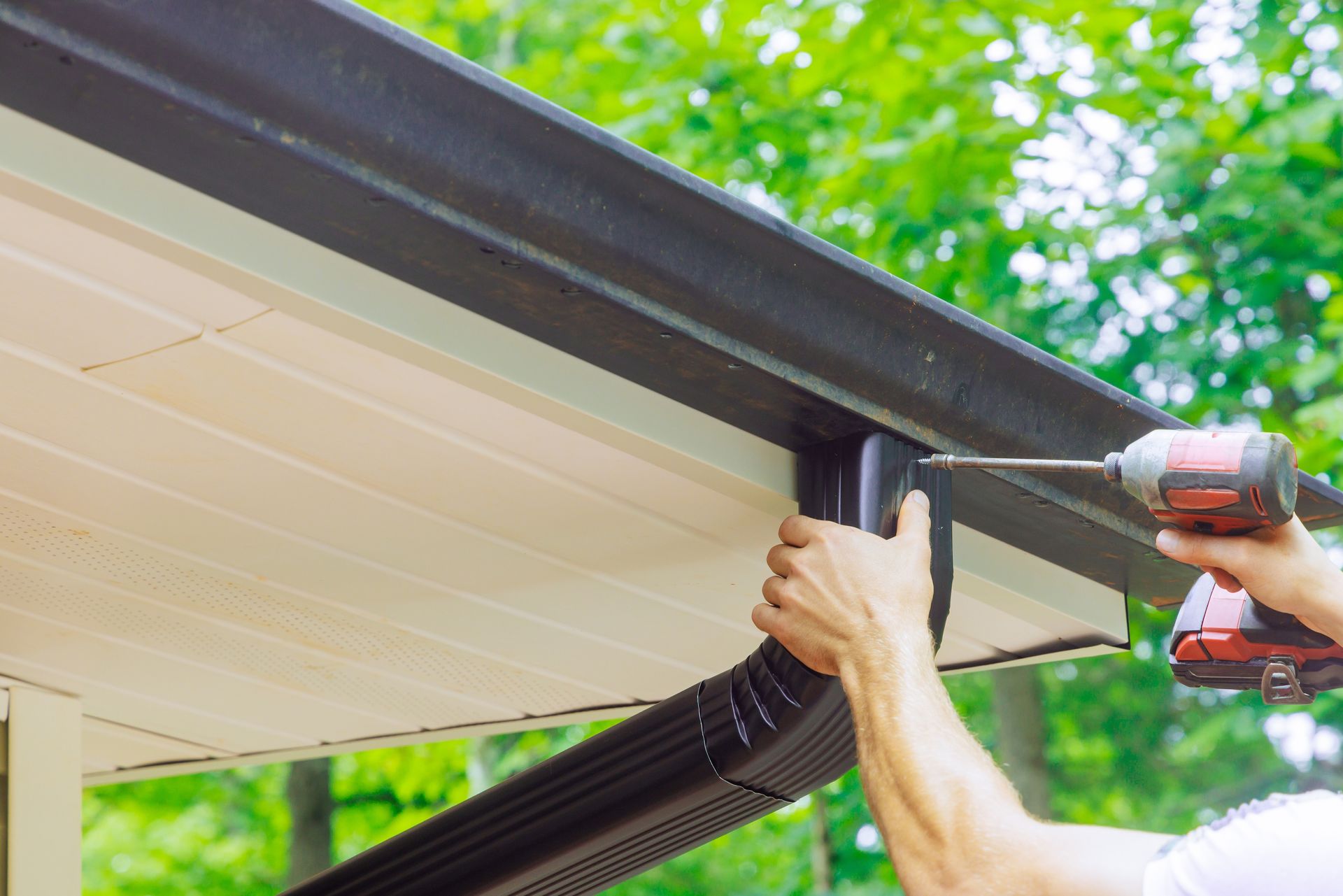
When homeowners spot a separated seam, the immediate reaction is usually to grab exterior caulking from the hardware store. Applying surface sealants over a failing vinyl edge traps hidden moisture directly inside the wood structure. This trapped water accelerates the rotting process and can even spread to your eavestrough repair zones or fascia boards below. Caulking is a temporary surface barrier, not a structural waterproofing solution.
Standard silicone or polyurethane sealants do not bond well with degraded vinyl surfaces. The caulk will inevitably peel away as the deck expands in the afternoon heat, leaving a mess of sticky residue and a leak that is now harder to repair.
→ From a professional standpoint: Never try to glue down a curling vinyl deck edge, as this only masks the underlying structural failure.
Our clients quickly realize that doing the job right the first time eliminates the stress of constant patching. It is a pattern the team at Cairns Roofing LTD hears regularly when we arrive to fix these recurring issues.
► Client Experience: The owner, Sean, is easy to talk to and very knowledgeable. He came with the crew to talk over the job on the first day. His crew, led by Cody, were wonderful!! They were hard workers, very helpful and knowledgeable too, and were diligent to clean up the job site every day. I would use them again, and highly recommend!! - Janice Hynds
A dedicated crew ensures every tricky corner is secured properly the first time.
The Professional Waterproofing Approach
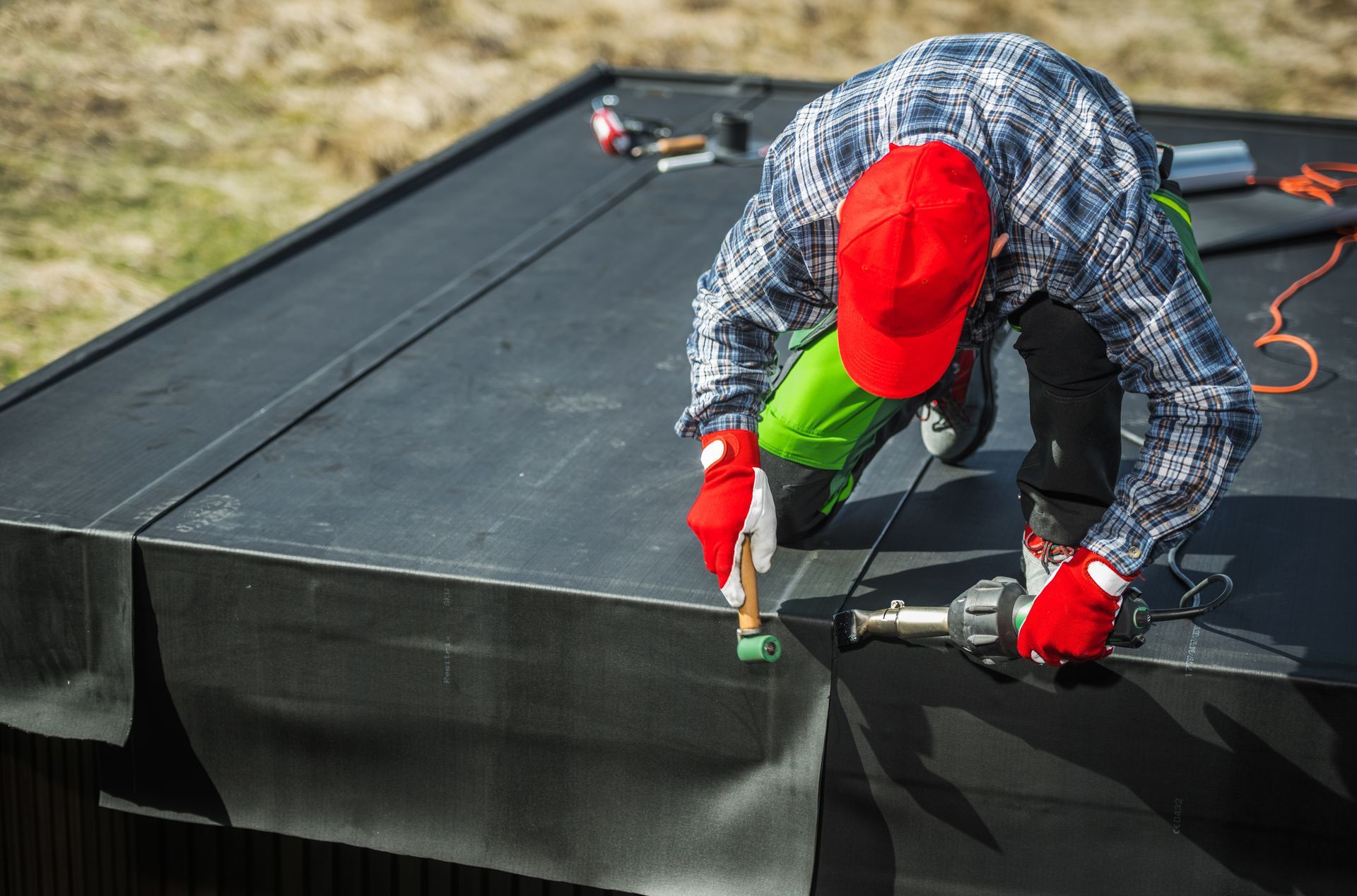
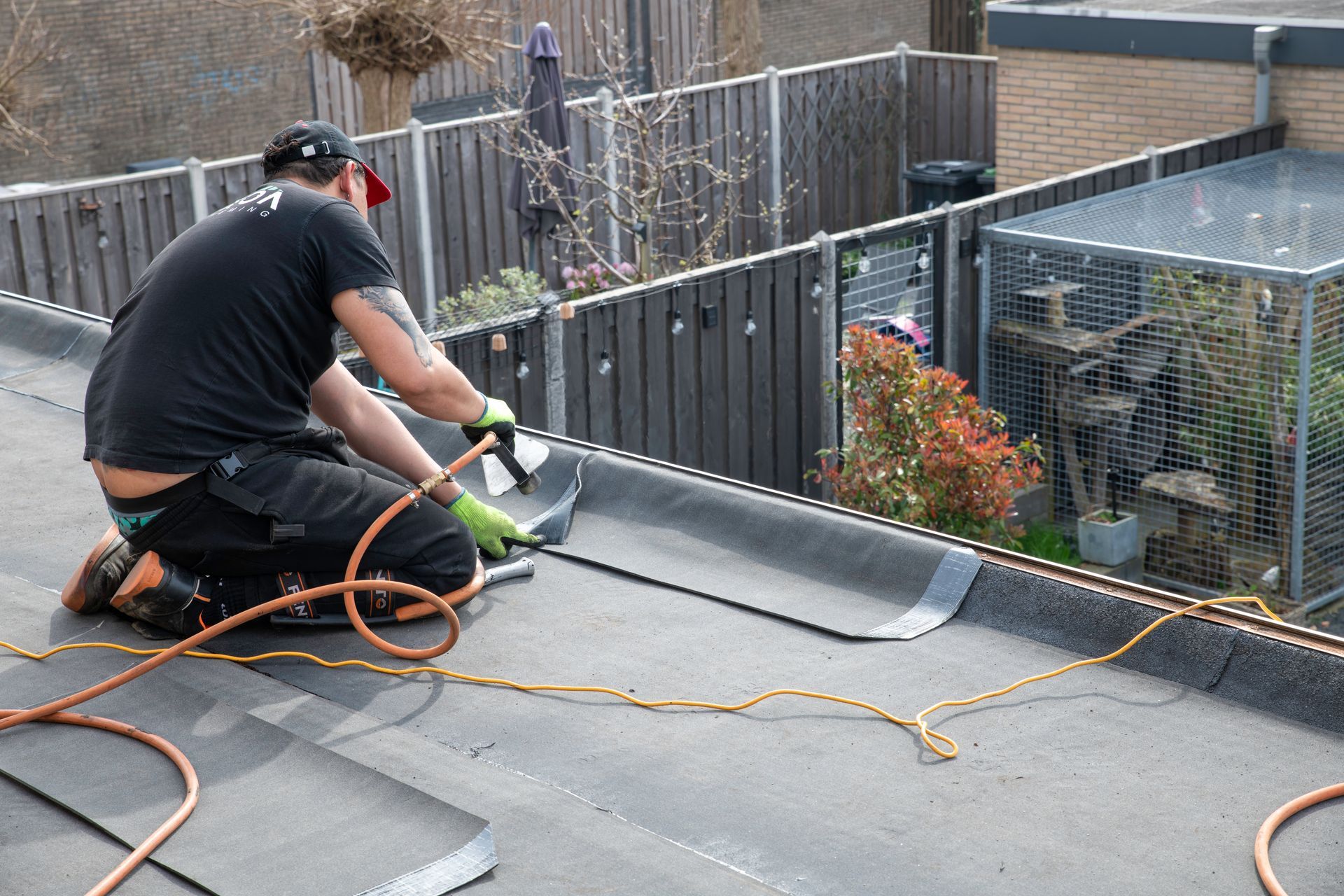
A true Duradek installation is entirely different from gluing down a standard vinyl sheet. The material is heat welded at the seams to create an impenetrable and solid membrane. At the edges, the material is mechanically fastened using specialized PVC coated flashing that is permanently welded to the deck covering. This means there is no exposed adhesive to dry out and no open seams for water to penetrate.
We also pay close attention to substrate preparation, ensuring the plywood is perfectly smooth and sloped for proper drainage. Any compromised wood from previous leaks is replaced before the new waterproofing system is applied.
How long does a Duradek waterproof deck last in Ontario?
When installed correctly by certified professionals, this waterproofing system routinely lasts 15 to 20 years or more. The longevity depends heavily on the quality of the edge detailing and the initial deck preparation. Regular cleaning is all that is required to maintain the surface and keep the membrane performing at its peak.
→ From a professional standpoint: The lifespan of your waterproof deck is determined entirely by the skill of the installer handling the seams and edges.
Securing Your Outdoor Space
Fixing a leaking deck edge is about protecting the structural framing of your property from hidden rot. You need a permanent solution that stops water infiltration at the source instead of chasing new leaks every year. Reach out to our team to schedule an inspection and get your deck properly waterproofed.
Share This Blog