5 Reasons Nailing Over Old Roof Shingles is Always a Costly Mistake
Property owners looking to save money on a roof replacement often consider a shortcut known in the trade as a shingle overlay. At Cairns Roofing LTD, we strongly advise against this practice because it completely compromises the long term safety of your home structure. Layering new materials directly over a failing surface traps existing problems and creates a highly unstable foundation for your new shingles. Investing in a proper complete tear off is the absolute only way to ensure a reliable roof installation that protects your equity.
Choosing a layover might lower your initial material estimate, but it significantly increases your long term maintenance liabilities. Homeowners in Schomberg regularly experience high winds and heavy seasonal snow loads that demand a perfectly flat and secure roof deck. Layering shingles hides structural wood decay and prevents proper adhesive sealing, leading to premature system failure. We want to break down the technical trade reasons why an overlay always costs vastly more in the long run.
What We Cover:
- Tip #1: Hidden Deck Rot Stays Undetected
- Tip #2: Excessive Structural Weight Strains Your Rafters
- Tip #3: Improper Thermal Interlocking Prevents Proper Sealing
- Tip #4: Heat Trapping Shortens Shingle Lifespan
- Tip #5: Future Disposal Costs Double
- Frequently Asked Questions
- Secure a Reliable Roof Installation
Tip #1: Hidden Deck Rot Stays Undetected
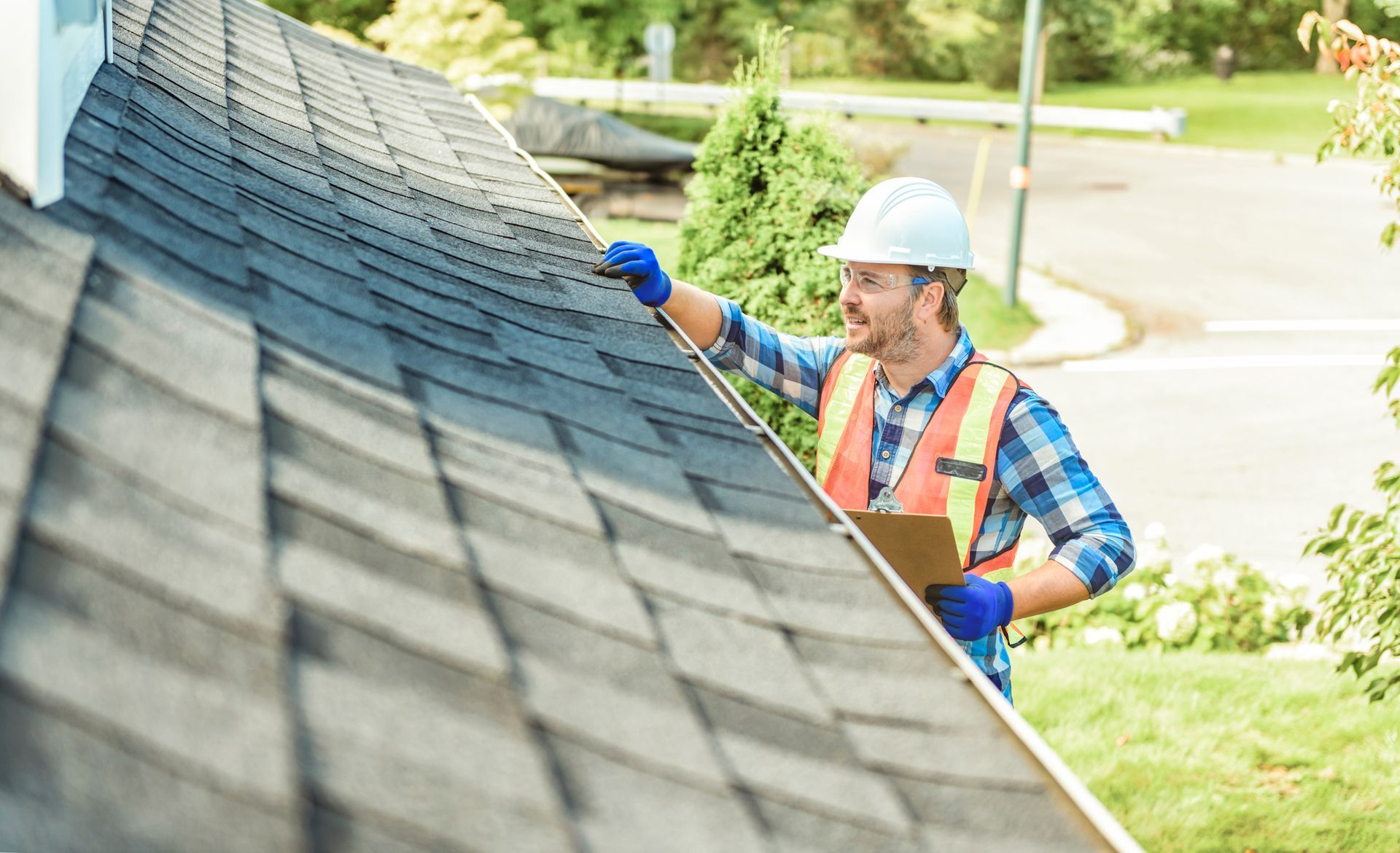
Nailing new shingles over an old roof completely prevents an installer from inspecting the underlying plywood deck boards. If moisture has already softened the wood fibers, the new nails will simply push through the rot and will not hold securely during high wind events.
- Trapped moisture: Active leaks continue to rot the structural support system directly underneath the secondary shingle layer.
- Soft spots: New shingles will quickly sag into hidden gaps where the plywood has completely degraded from years of water exposure.
Tip #2: Excessive Structural Weight Strains Your Rafters
Adding a second layer of heavy asphalt material places immense stress on the timber framing of your house. Most residential roof structures are engineered to support only a single layer of shingles alongside heavy seasonal snow accumulation.
- Increased dead load: A secondary layer adds up to four hundred pounds of extra dead weight per square unit of roofing area.
- Rafter sagging: The constant downward pressure can bow structural trusses, affecting your home exterior lines and cracking interior ceiling drywall.
Tip #3: Improper Thermal Interlocking Prevents Proper Sealing
New shingles are strictly designed to lay perfectly flat against a smooth and uniform plywood deck to activate their thermal sealant strips. Laying them over curled or buckled old shingles prevents the adhesive from locking down correctly against the layer below.
- High wind vulnerability: Unsealed shingle tabs easily catch high winds, leading to widespread blow offs during severe autumn storms.
- Capillary water draw: Gaps between uneven shingle layers allow rainwater to wick upward beneath the new material and bypass the water barrier.
Tip #4: Heat Trapping Shortens Shingle Lifespan
An overlay roof traps excessive heat because the double layer of asphalt acts as a thick insulator directly over your attic space. This trapped heat bakes the shingles from both sides, causing rapid chemical breakdown of the modern asphalt compounds.
- Volatiles loss: High temperatures force the protective oils out of the new shingles, leading to rapid granule loss and surface cracking.
- Premature blistering: Internal moisture expands between the tightly packed layers, causing the upper surface to blister in the summer sun.
Tip #5: Future Disposal Costs Double
Opting for an overlay only delays the inevitable tear off process while practically guaranteeing vastly higher future labor charges. When the double layer eventually fails, a roofing contractor must strip twice as much heavy material off your home.
- Increased landfill fees: Disposal costs are calculated by absolute weight, meaning your future waste bill at the dump will be exactly twice as high.
- Extended labor hours: Stripping a double layer requires significantly more manual labor and drastically slows down your ultimate replacement project.
Frequently Asked Questions
Is it legal to put new shingles over old ones in Ontario?
While some local building codes technically permit a maximum of two layers on a residential structure, it is widely considered an unacceptable trade practice by professional roofers. Most municipalities require a clean strip down to the bare deck if any underlying structural damage or sagging is present. We always recommend checking local regulations and prioritizing structural soundness over short term financial shortcut allowances.
Does a roof layover void the manufacturer shingle warranty?
Yes, almost every leading asphalt shingle manufacturer will drastically reduce or completely void their material warranty if the product is installed over an existing roof layer. Shingles strictly require a flat nailing deck and standard attic ventilation to maintain their warranty status. If the product fails due to heat trapping or uneven nailing surfaces, the manufacturer will completely deny the replacement claim.
How does a tear off reveal deck damage?
A complete tear off involves removing every old nail, piece of felt, and shingle straight down to the raw wood substrate. This complete exposure allows our technicians to physically test the plywood sheets for soft spots, black mold, and rusted structural fasteners. Replacing compromised deck boards at this exact stage ensures a rock solid foundation for your new roof installation.
Secure a Reliable Roof Installation
Investing in a complete roof tear off is the absolute only way to guarantee your home remains protected from the elements for decades. Eliminating shortcuts ensures that your manufacturer warranties remain fully intact and your timber structure remains perfectly safe. Contact our team today to schedule an expert physical evaluation and get a precise quote for a proper roof replacement.
Share This Blog