The Honest Truth About Patching Aging Tar and Gravel Flat Roofs
Preparing your property for the changing seasons often brings maintenance worries to the surface. At Cairns Roofing LTD, we frequently speak with building owners who are tired of spending money on temporary fixes. Tar and gravel roof repair is a common request, but patching an aging system is rarely the straightforward fix people hope for. Understanding the true condition of your flat roof is vital before investing in another round of repairs.
Many property owners in Caledon East believe that spreading a new layer of mastic over a leak will solve the problem. The reality is that old built up roofs have a definitive expiration date, and chasing leaks becomes a losing battle. We believe in providing honest assessments so our clients can make financially sound decisions regarding flat roof replacement. Here is the unvarnished truth about what to expect when trying to patch an older gravel roof.
What to Expect:
- The Reality of Temporary Surface Patches
- Identifying When the Membrane Is Truly Exhausted
- How We Approach a Long Term Fix
- Frequently Asked Questions
The Reality of Temporary Surface Patches
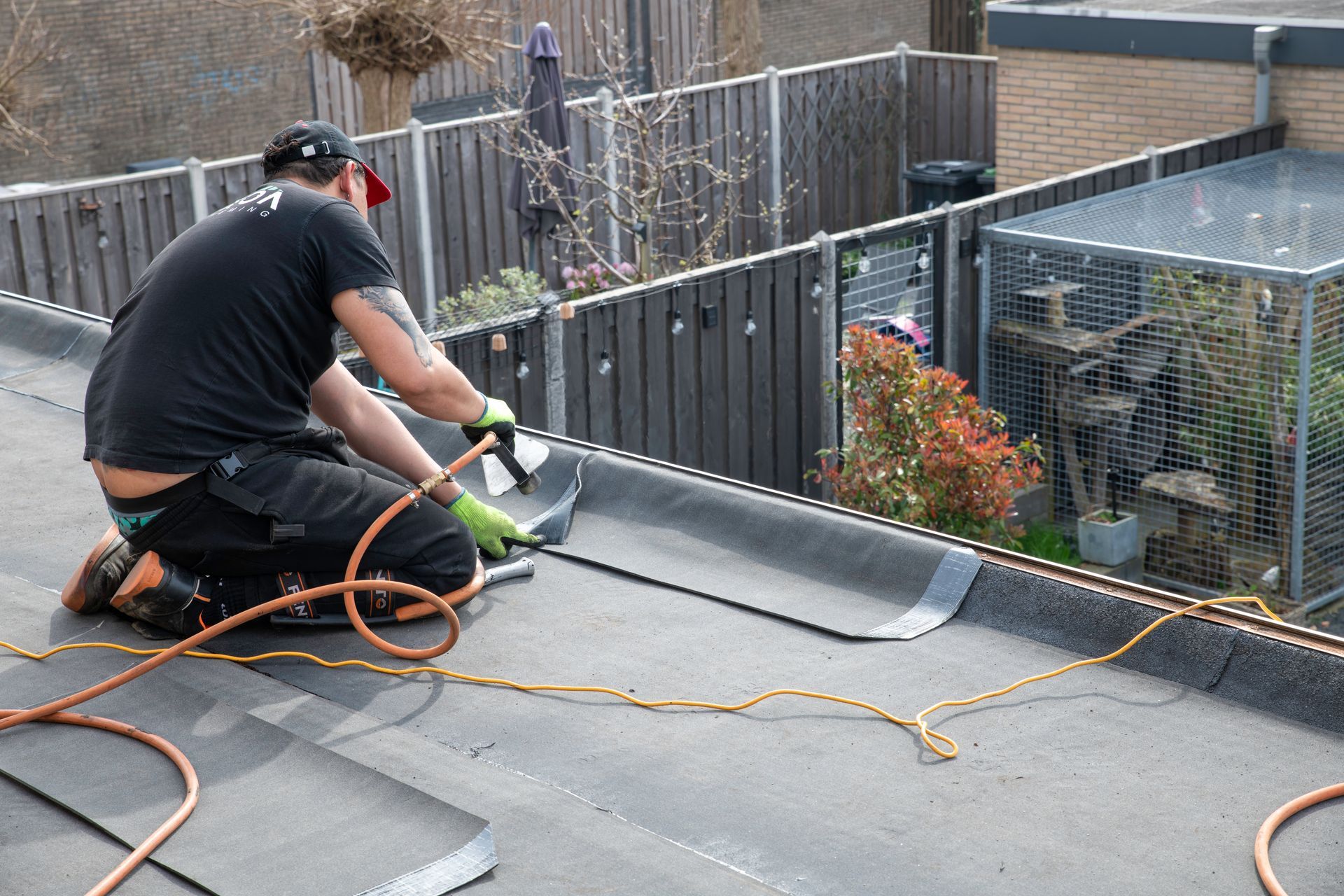
Applying roofing cement over a gravel surface is like putting a tiny bandage on a deep wound. To make a patch stick, a contractor must scrape away the embedded gravel to reach the bare asphalt felts. On an older roof, those felts are usually so brittle that the scraping process causes new cracks to form right next to the repair. The patch might hold back water for a few months, but it is never a permanent structural solution.
Furthermore, water trapped under the gravel layer can travel several feet from the actual hole in the membrane. By the time you patch the spot where the water is dripping inside, the structural deck may already be compromised elsewhere.
→ A quick tip to remember: If a contractor promises a permanent fix using only a bucket of tar, they are setting you up for disappointment.
Identifying When the Membrane Is Truly Exhausted
A common overestimation among property owners is that a thick gravel roof can simply be patched indefinitely. Built up roofs rely on the flexibility of the asphalt layers to expand and contract with the building structure. After decades of exposure and temperature swings, the oils in the asphalt completely dry out. Once the core membrane turns into a rigid and brittle shell, patching one crack simply forces the tension to create a new crack nearby.
You can often spot an exhausted roof by looking for widespread alligator cracking or areas where the gravel has completely washed away. When the roof reaches this stage of degradation, spending money on spot repairs is a poor investment.
→ From a professional standpoint: Once the asphalt felts lose their flexibility, the entire roof system has reached the end of its functional life.
How We Approach a Long Term Fix
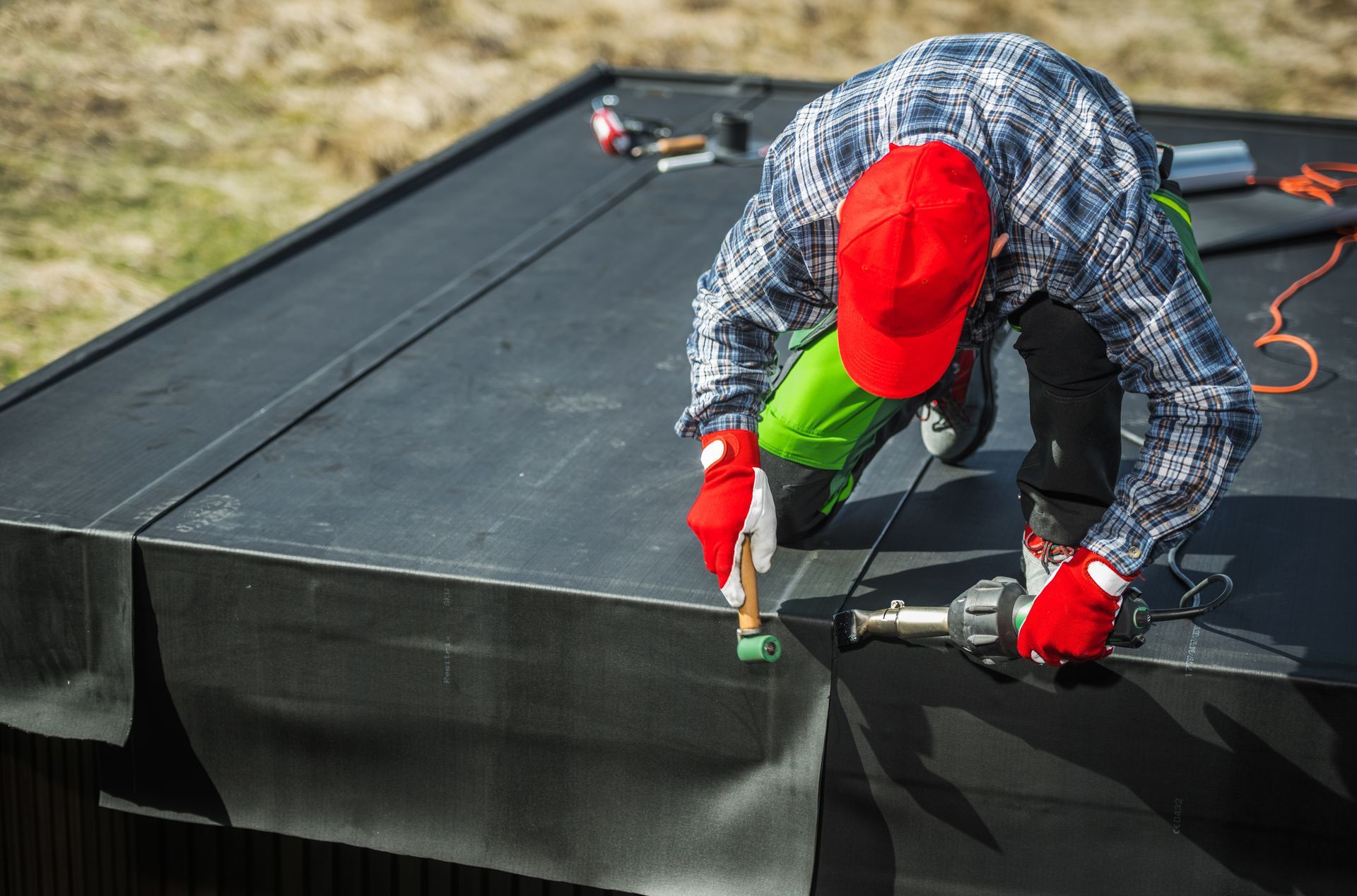
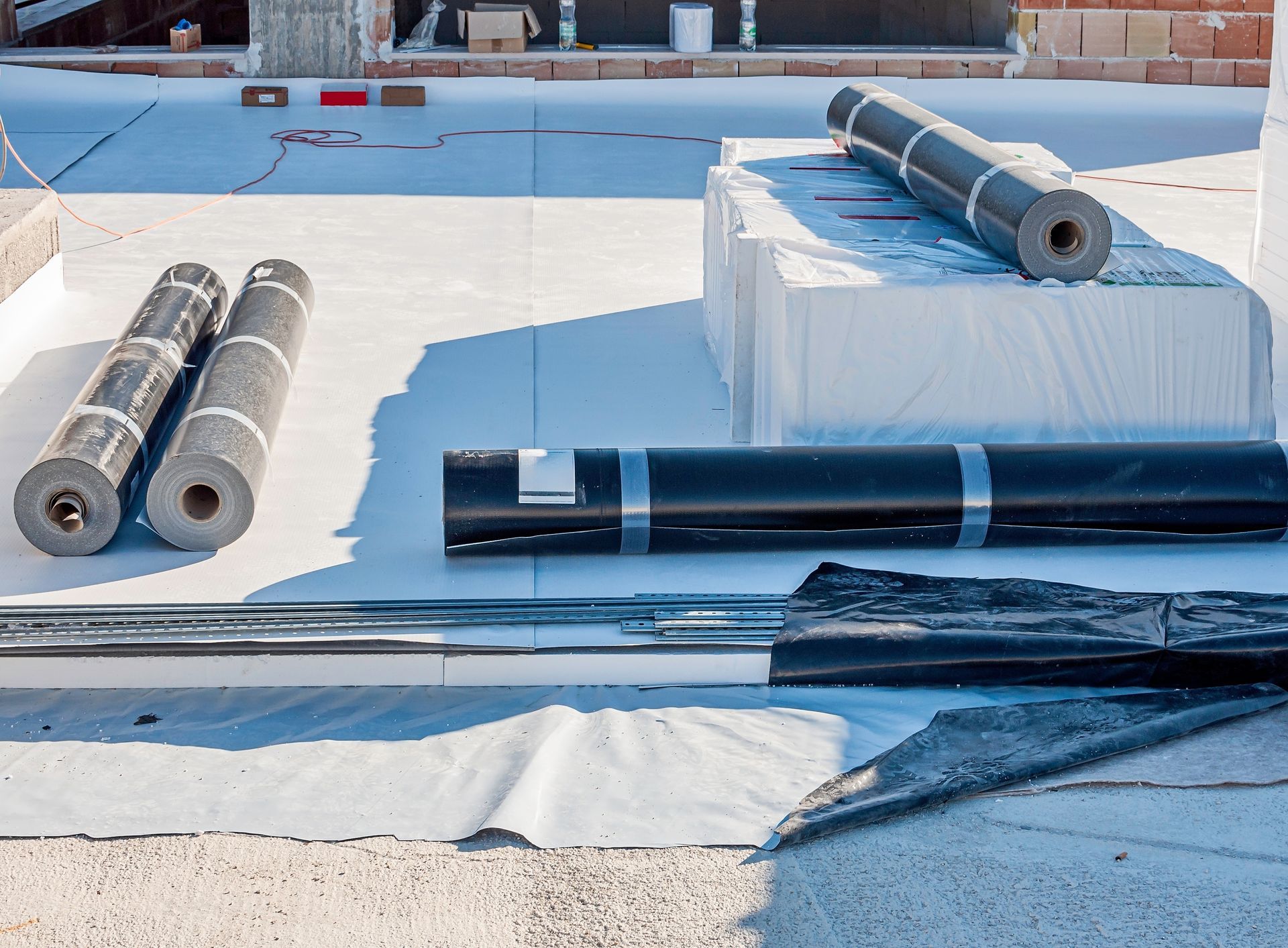
When we inspect an aging gravel roof, our primary goal is to determine the state of the underlying insulation and deck. If the core structure remains solid, there are modern recovery options that provide genuine long term protection. Often, transitioning to an EPDM flat roof membrane offers superior flexibility and drastically reduces future maintenance costs.
We provide a clear cost comparison between endless temporary patches and a proper flat roof replacement. Our team handles the heavy removal of the old gravel and ensures the new system is installed to strict modern standards.
→ A quick tip to remember: Investing in a modern membrane stops the cycle of emergency patching and protects your interior completely.
Frequently Asked Questions
How do you find a leak under a tar and gravel roof?
Finding the source requires carefully sweeping away the loose rock and looking for cracks in the exposed asphalt. Because water travels laterally between the layers of felt, the visible damage inside the building rarely lines up with the entry point above. We often use core sampling to track the moisture path through the saturated insulation.
Is it worth repairing a 20 year old built up roof?
If the roof is simply showing a localized puncture from foot traffic, a targeted repair makes sense. However, if the 20 year old membrane is brittle and cracking everywhere, repairs will fail quickly. In those cases, the money spent on patching is better applied toward a total replacement.
Can you coat over an old gravel flat roof?
Coating over a gravel roof is technically possible but highly inefficient and prone to failure. The contractor must remove every piece of loose gravel and dirt to get the coating to adhere properly. If the underlying felts are already saturated with water, the new coating will simply trap that moisture inside and accelerate the deck rot.
Making the Right Call for Your Property
Facing the reality of an aging roof allows you to plan for a reliable replacement instead of wasting funds on temporary patches. Knowing the true condition of your membrane gives you the power to protect your building the right way. Reach out to our team today to get a brutally honest assessment of your flat roofing system.
Share This Blog