How Displaced Gravel Causes Winter Tar and Gravel Roof Leaks
Industrial and commercial flat roofs rely on a very specific balance of layered materials to withstand harsh environmental conditions. The heavy layer of crushed stone sitting on top of a built up roof is definitely not there for visual decoration. At Cairns Roofing LTD, we know that this thick stone layer serves as the primary physical shield for the underlying asphalt membrane. When that heavy shield is compromised, the core weatherproofing system degrades incredibly fast.
High autumn winds frequently scour the surface of these flat structures and blow the protective stones into the corners or down the drains. Once the bare black asphalt is exposed to the elements, it becomes highly susceptible to extreme temperature swings. Understanding the mechanical failure mode of exposed bitumen is crucial for timely tar and gravel roof repair. Addressing these bare spots early prevents massive internal leaks when the heavy winter snow finally arrives.
A quick look at the sections below:
- The True Purpose of the Stone Ballast
- How Cold Weather Destroys Exposed Asphalt
- Identifying High Risk Wind Scour Zones
- Executing Effective Commercial Roof Restoration
- Protect Your Commercial Assets Properly
The True Purpose of the Stone Ballast
A traditional built up roofing system consists of multiple layers of heavy roofing felt laminated together with hot liquid asphalt. While the cooled asphalt provides the actual waterproofing layer, it is highly sensitive to ultraviolet light and physical impact. The thick layer of embedded river rock or crushed gravel acts as a permanent, heavy duty sunscreen for the delicate layers below.
The stones absorb the direct physical impact of heavy hail and block the sun from baking the natural oils out of the asphalt surface. This heavy ballast also provides necessary structural weight to hold the multi layered membrane securely against the building deck during severe wind events. Without the stones holding the temperature stable, the underlying felts would rapidly deteriorate and lose their waterproofing capabilities.
How Cold Weather Destroys Exposed Asphalt
Building managers often ask why a tar and gravel roof is leaking in winter even though it seemed perfectly fine all summer. The answer lies directly in the loss of those protective surface stones during the windy autumn months. When the strong winds blow the gravel away, the raw black asphalt is left completely unprotected against the harsh elements.
As the outdoor temperature drops below freezing, that exposed patch of asphalt becomes incredibly rigid, brittle, and inflexible. Without the thermal mass of the stones to safely regulate its temperature, the exposed membrane snaps and cracks under the normal expansion of the building structure. Heavy snow then melts directly into these microscopic cracks, freezing and expanding at night to physically tear the flat roof wide open.
Identifying High Risk Wind Scour Zones
Checking a large commercial structure in Caledon for displaced gravel requires knowing exactly where the wind patterns accelerate. Routine flat roof inspection efforts must focus heavily on the architectural features that disrupt airflow and create turbulence. Identifying these bare patches before the snow buries them is the only way to prevent winter leaks.
- Building Corners: The extreme outer corners of a flat structure experience the highest wind uplift forces, constantly pushing the loose stones inward and leaving the edges bare.
- HVAC Equipment Curbs: Wind wraps around large air conditioning units and aggressively scours the gravel away from the delicate metal base flashings.
- Parapet Walls: High perimeter walls create a powerful aerodynamic vortex that forcefully sweeps the protective stones away from the critical edge details.
- Internal Drains: Water flowing rapidly toward the internal scuppers often carries the smaller stones away, leaving the most vital drainage areas completely exposed.
Executing Effective Commercial Roof Restoration
Restoring the physical integrity of a scoured roof requires much more than just shoveling the old rocks back into place. A professional repair team must actively address the microscopic damage that the exposed asphalt has already sustained.
- Surface Preparation: Technicians carefully sweep the area clean to expose any hairline cracks in the rigid asphalt coating that require immediate attention.
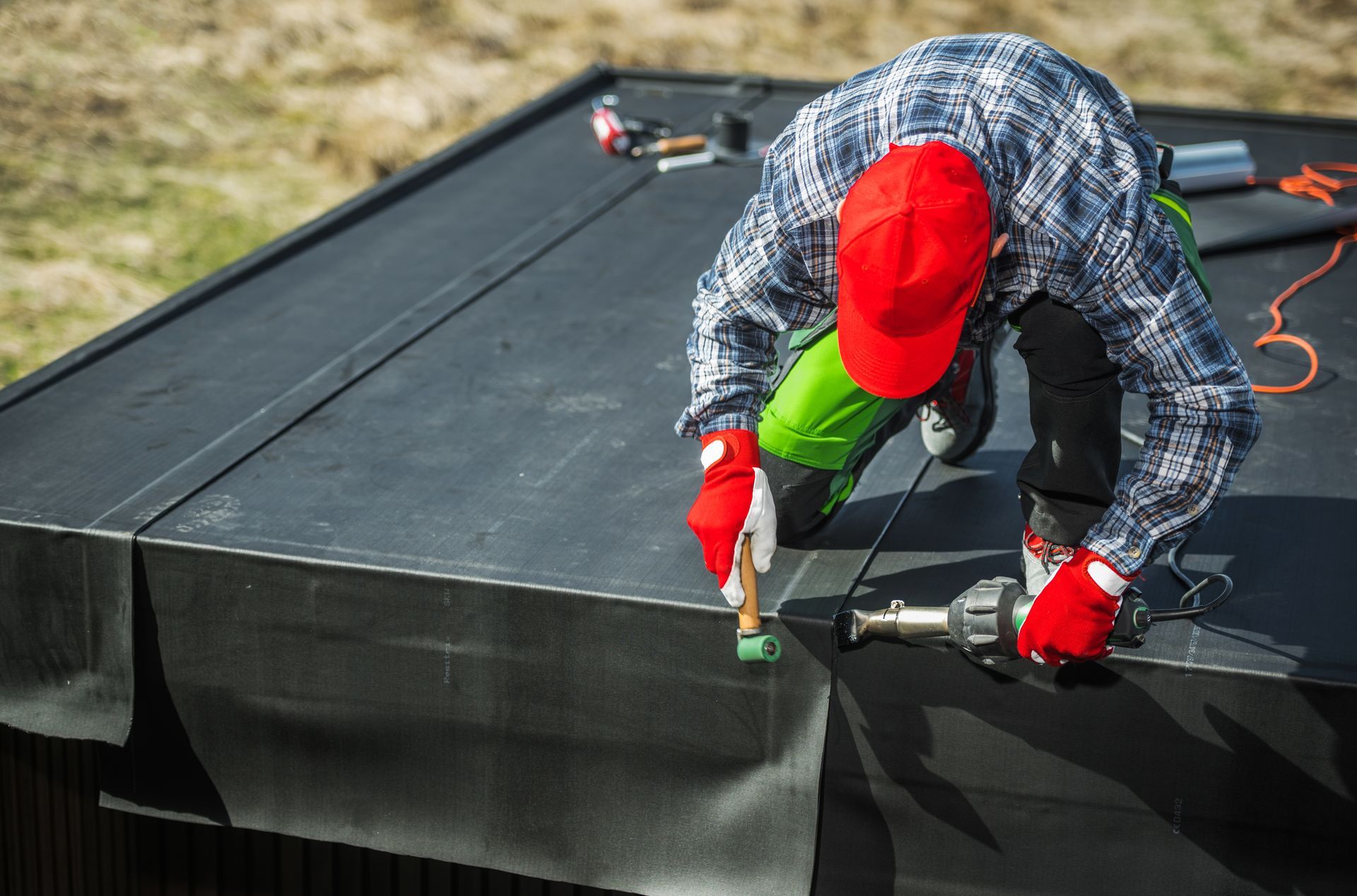
- Membrane Restoration: A fresh application of specialized cold weather roofing mastic and heavy reinforcement fabric is applied over the damaged section to restore flexibility.
- New Ballast Integration: Fresh stones are firmly embedded into the new top coating to guarantee the vulnerable area remains protected from future wind events.
- Surrounding Assessment: We evaluate the adjacent modified bitumen surfaces to ensure the entire flat plane is draining properly.
Protect Your Commercial Assets Properly
Maintaining the protective heavy shield on your flat building surface is the absolute only way to ensure the underlying layers survive the freezing months. Replacing displaced gravel right now stops the aggressive freeze and thaw cycle from destroying your structural deck. Reach out to our commercial team to schedule a detailed gravel evaluation and keep your inventory perfectly dry.
Share This Blog